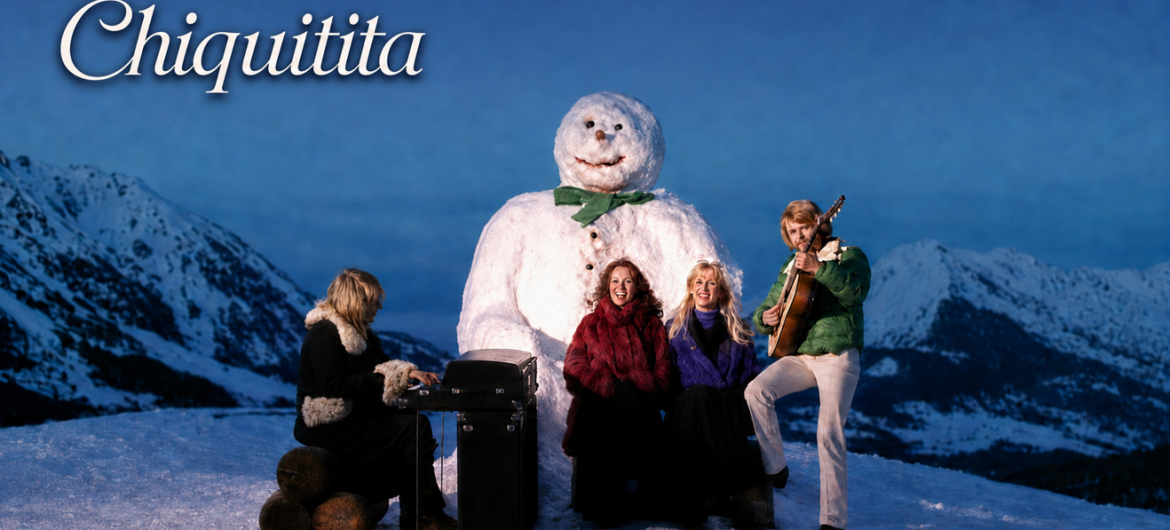
Source: ABBA’s official “Chiquitita” music video, enhanced with AI.

In the 1979 UNICEF benefit concert Music for UNICEF: A Gift of Song, artists were invited to contribute a song, and ABBA donated Chiquitita. The song’s royalties were donated to UNICEF. Since then, more than 20,000 victims have received support and more than 300,000 people have been trained to support them, including family members, professionals, teachers, and communities. UNICEF has reported that this song has generated more than 5 million US dollars for child protection programmes. The Fundación Sobrevivientes of Guatemala alone has already sheltered 1,856 cases in its refuge home.

The impact on improving the lives of victims and survivors of child abuse comes not only from the dollars raised, but also from lyrics and music that have inspired—and continue to inspire—countless girls and boys to develop awareness and engage in preventive action, while also encouraging many adults not to succumb to isolating violence but instead to stand firmly in support of children. It is a song that was created and performed from the very beginning with one particular girl in mind and in heart.

Music that is created and performed with purpose has an impact that goes beyond its technical qualities. This is not a song that stands out for great vocal or musical virtuosity; rather, its restraint allows us, as listeners, to focus on its beautiful melody and a harmonic language that enables us to feel what the girl who inspired the song—and so many others who have lived through similar experiences—was going through. Its carefully crafted harmony and modulations reinforce the work’s expressive power, beginning with a more introspective and melancholic character and instrumentation before culminating in what resembles a choral song that offers hope to those who suffer or have suffered such abuse. As both the music and the real-life impact associated with Chiquitita demonstrate, victims and survivors of child abuse are not condemned to silence: when they find support and voices that listen to them, their story, too, can be transformed into hope for others.

👀 Visitas: 19

Secciones: Culturas

Si quieres, puedes escribir tu aportación